
Do Electric Joint Rollers Save Time? A Speed Test Analysis
Electric joint rollers are devices designed to automate the process of rolling joints. Unlike manual rolling, these gadgets promise speed and consistency. They appeal to both beginners and seasoned users who want to save time and effort.
The Mechanics Behind Electric Joint Rollers
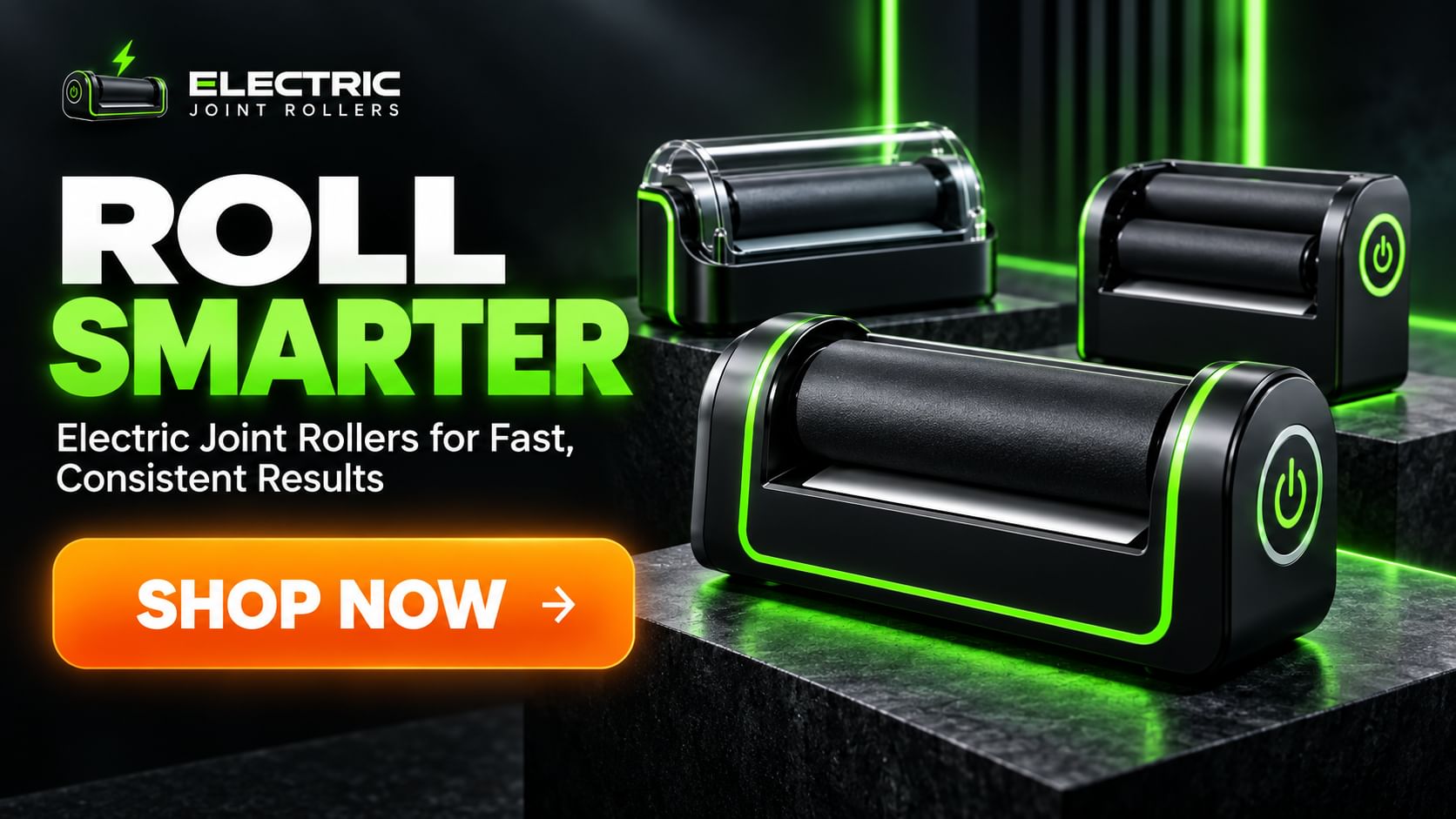
These devices typically function by feeding the rolling paper and material into a chamber. The machine then rolls the contents into a joint, using a motor to ensure even distribution. Some models even feature adjustable settings, allowing users to customize the tightness and size of their joints.
Time Efficiency: Manual vs. Electric
A key selling point of electric joint rollers is time efficiency. To test this claim, a speed test was conducted comparing manual rolling with electric devices. On average, an experienced manual roller takes about two to five minutes per joint. In contrast, electric joint rollers can complete the same task in less than a minute.
This significant difference highlights the time-saving potential of these devices, especially for those who roll frequently or in large quantities.
Consistency and Quality
Beyond speed, electric joint rollers offer consistency in the quality of joints. Manual rolling often results in varying tightness and evenness, affecting the smoking experience. Electric rollers provide uniform results, enhancing the overall experience.
Cost vs. Convenience
While electric joint rollers can be more expensive than traditional methods, the convenience they offer might justify the cost. For heavy users or those with limited dexterity, the investment could prove worthwhile.
Conclusion
Electric joint rollers indeed save time, providing a swift and consistent solution for rolling joints. Their speed and efficiency make them a valuable tool for frequent users. However, personal preference and budget will ultimately dictate their worth to an individual.