
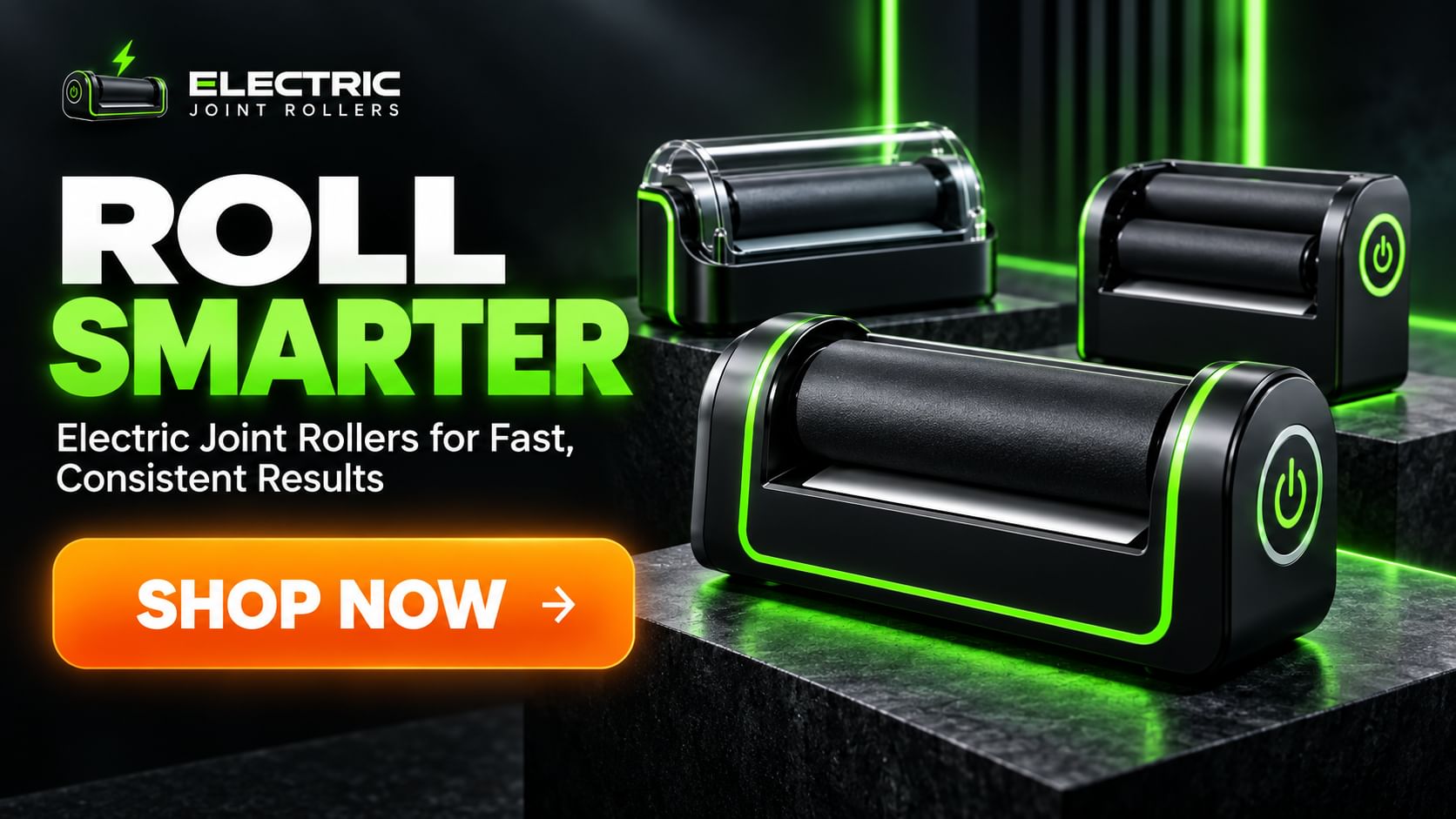
The Evolution of Joint Rollers: From Manual to Electric Precision
Joint rollers have come a long way from the days of simple manual tools. Initially, rolling a joint required skill and practice. The earliest devices were rudimentary, often made from wood or metal, and required the user to be adept in handling. These manual joint rollers laid the groundwork for the innovations that followed.
Manual Joint Rollers
Manual joint rollers were the first step in simplifying the process. They usually consisted of a rolling mat or a basic rolling machine where users placed paper and tobacco or herbs. The user would then roll the mat or crank the machine to form a joint. These devices, though basic, significantly reduced the time and effort required compared to rolling by hand.
The Advent of Electric Rollers
With technological advancements, the market saw the introduction of electric joint rollers. These devices automated much of the process, ensuring consistency and quality. Electric rollers allowed users to simply load their materials, press a button, and receive a perfectly rolled joint every time. This was a game-changer for both casual users and those with limited dexterity.
Precision and Customization
Modern electric joint rollers offer precision and customization options that were not possible with manual methods. Users can now adjust the density and size of their joints with ease. This level of customization has appealed to a broader audience, from novices to seasoned users, looking for a tailored experience.
Impact on the Market
The evolution from manual to electric joint rollers has impacted the market significantly. More brands are investing in research and development to create efficient and user-friendly devices. The shift towards electric rollers reflects a broader trend of automation and convenience in consumer products.
Looking Ahead
The future of joint rolling technology looks promising. As manufacturers continue to innovate, we can expect even more advanced features, such as app integration and further customization options. The focus will likely remain on enhancing user experience and accessibility.
In summary, the journey from manual to electric joint rollers highlights a broader trend of technological advancement aimed at improving user convenience and product consistency. This evolution not only caters to a diverse user base but also sets the stage for future innovations in the sector.