
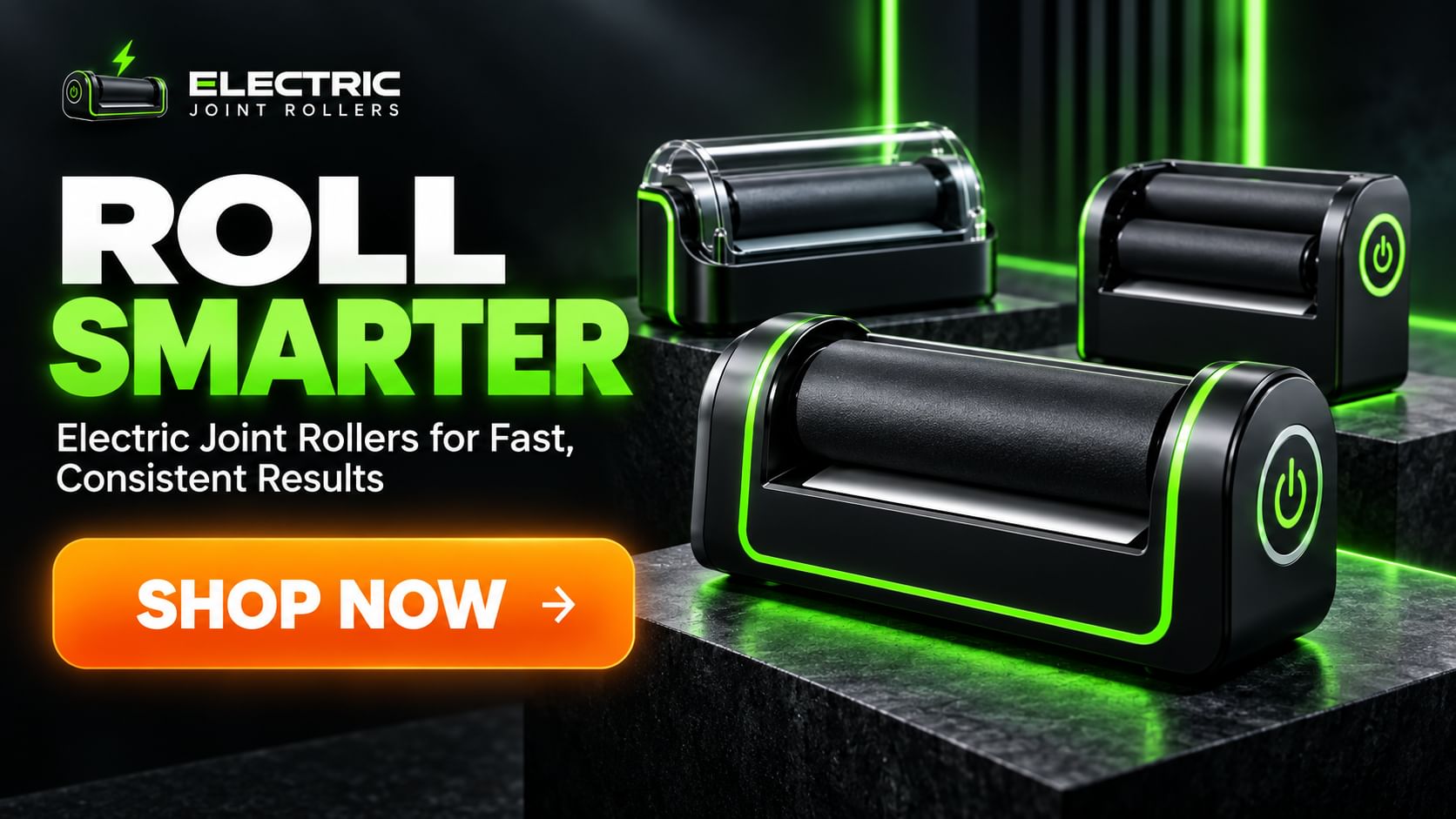
Manual vs. Electric Joint Rollers: Which One Suits You Best
When considering joint rollers, the choice between manual and electric options often hinges on personal preference and lifestyle. Each type offers distinct advantages and drawbacks. Understanding these can help you make an informed decision.
Manual Joint Rollers
Advantages
Manual rollers are straightforward. They offer control over the rolling process. Users can adjust the pressure and tightness of the roll. This hands-on approach appeals to traditionalists. Manual rollers are often less expensive. They don't require power, making them portable and convenient.
Disadvantages
The learning curve can be steep for beginners. It requires practice to perfect the technique. Manual rollers can be time-consuming. They may not be ideal for those with limited dexterity.
Electric Joint Rollers
Advantages
Electric rollers streamline the process. They are fast and efficient, producing consistent results. These devices cater to those with limited hand mobility. Operation is straightforward, often requiring only the push of a button.
Disadvantages
Electric rollers tend to be more expensive. They require a power source, which limits portability. Some users may find the lack of manual control unsatisfying.
Considerations
When choosing between manual and electric rollers, think about your priorities. If cost and portability are paramount, manual rollers might suit you best. If ease of use and speed are more important, consider an electric option. Evaluate your lifestyle and needs to make the right choice.
Conclusion
Both manual and electric joint rollers have their merits. Your decision should align with your preferences and lifestyle. Consider the pros and cons of each type to find the roller that fits you best. Your choice will enhance your rolling experience, making it both efficient and enjoyable.